

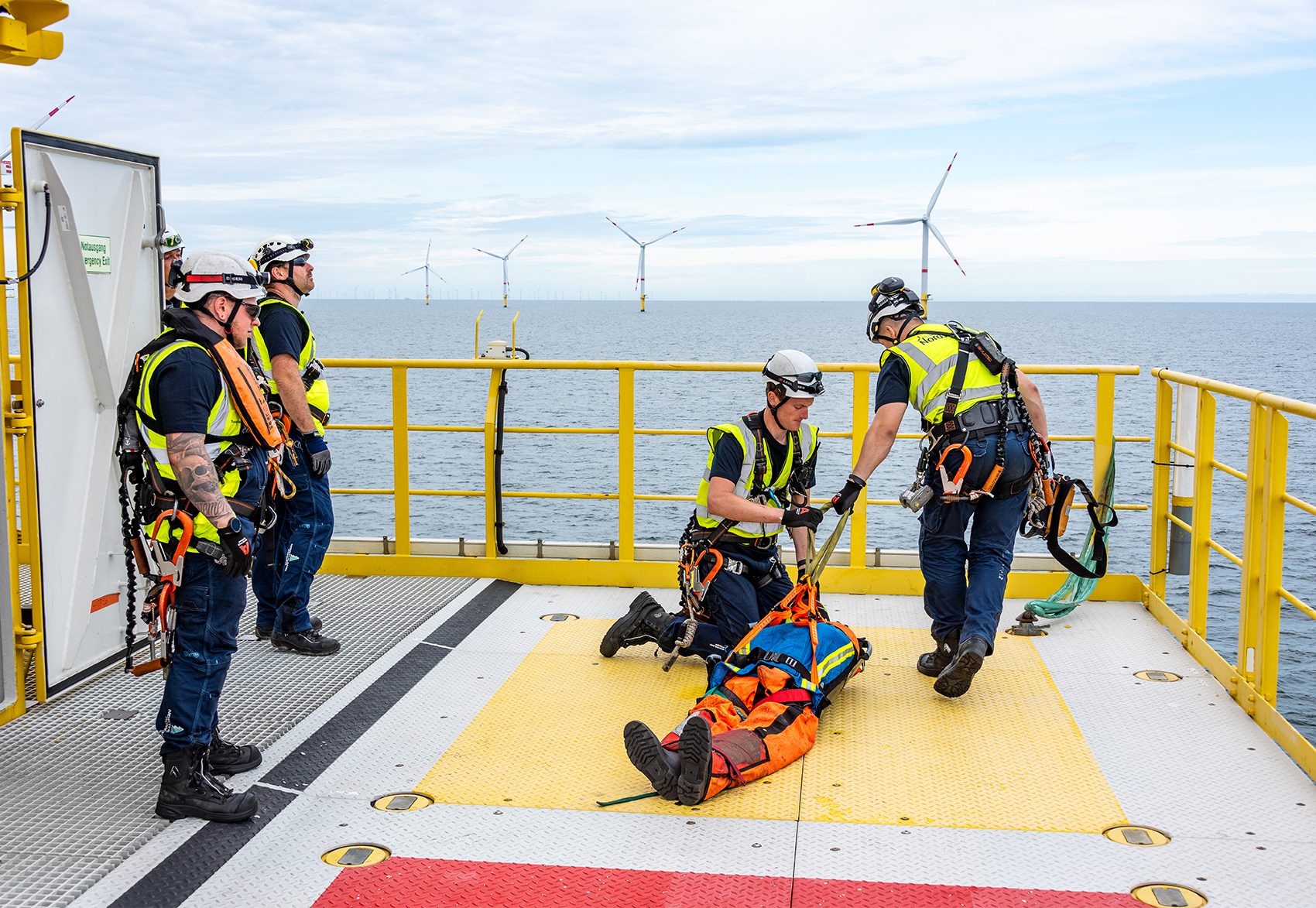
Health & Safety at Northland
Every day across Northland, one priority remains constant: the health and safety of our people. It is a shared responsibility and core value that guides how we work every day. We believe that all incidents are preventable and that every employee and contractor that works on a Northland project has the right and responsibility to stop work if something doesn’t feel safe. By taking care of each other, learning from experience, and continuously improving, we create safer workplaces and stronger teams.
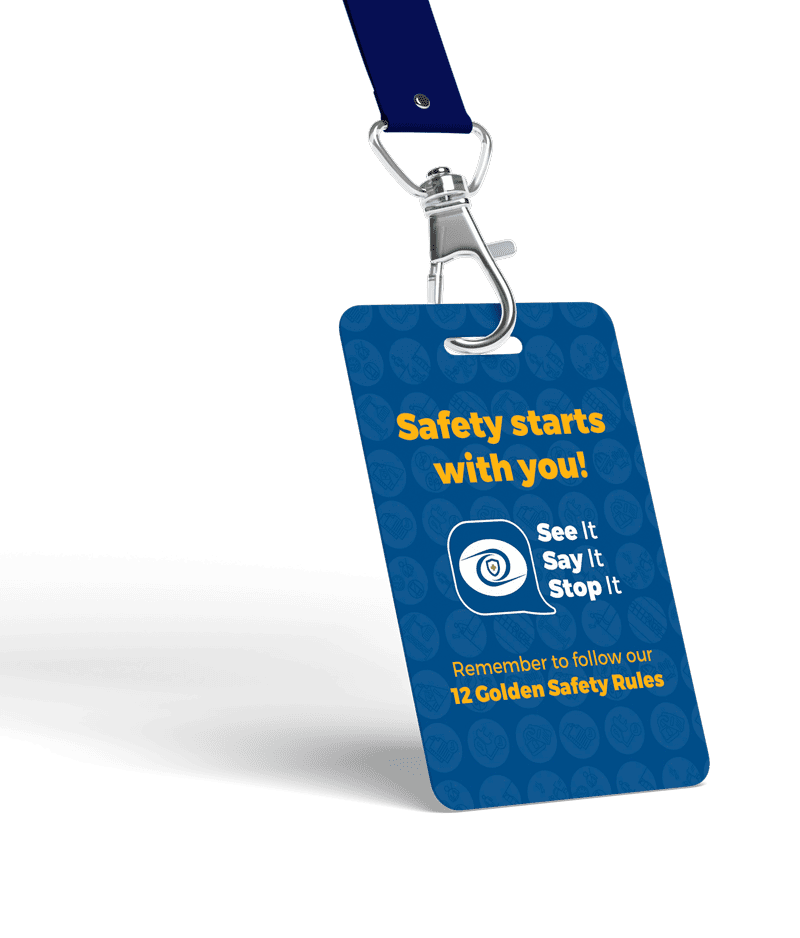
Our 12 Golden Safety Rules establishes a clear, consistent, non-negotiable standard across Northland, reflecting our commitment to protecting our people.
Developed through collaboration and data, the rules were shaped with input from stakeholders across the business to reflect real operating conditions, benchmarked against industry peers, and informed by incident data to ensure each rule targets the highest‑impact risks.
Our rollout was designed to keep safety visible and actionable across the business: every Northlander is equipped with a STOP card to pause unsafe work, and a monthly Golden Safety Rule is spotlighted globally – sparking conversation, reinforcing relevance, and embedding safe behaviours into everyday operations.
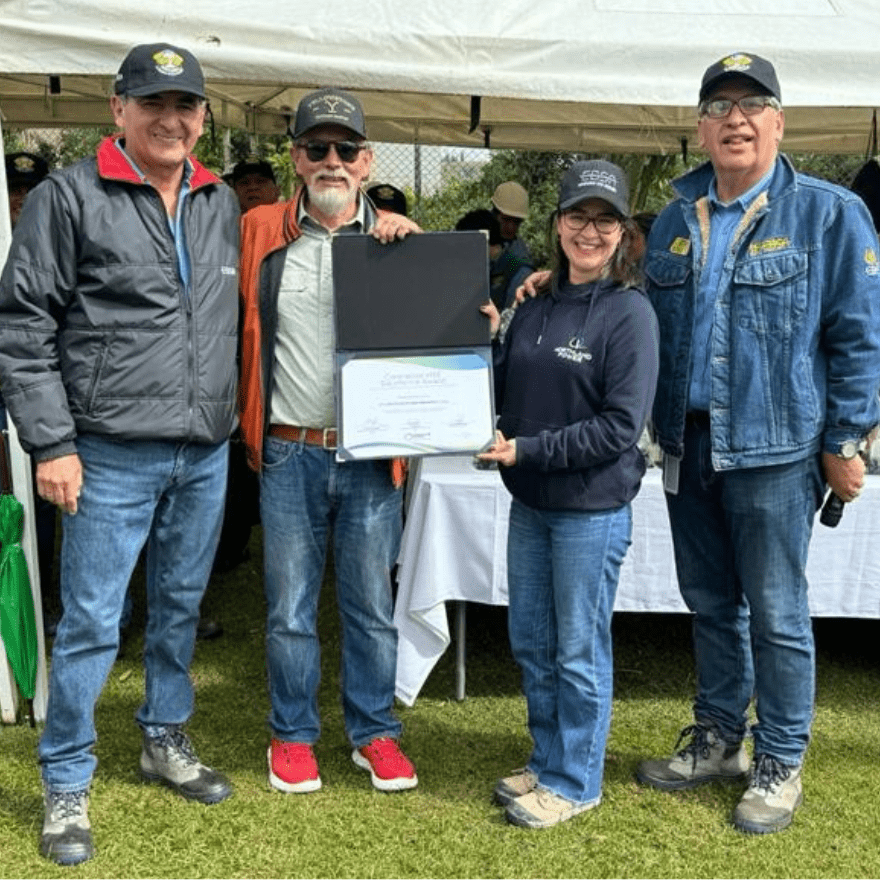
We introduced the Health, Safety and Environment (HSE) Contractor Awards to drive continuous improvement and recognize contractors who set the standard for safe performance. The awards celebrate those who demonstrate a strong safety culture, rigorous HSE management, and consistent compliance across our sites – highlighting excellence and raising the bar across our operations.
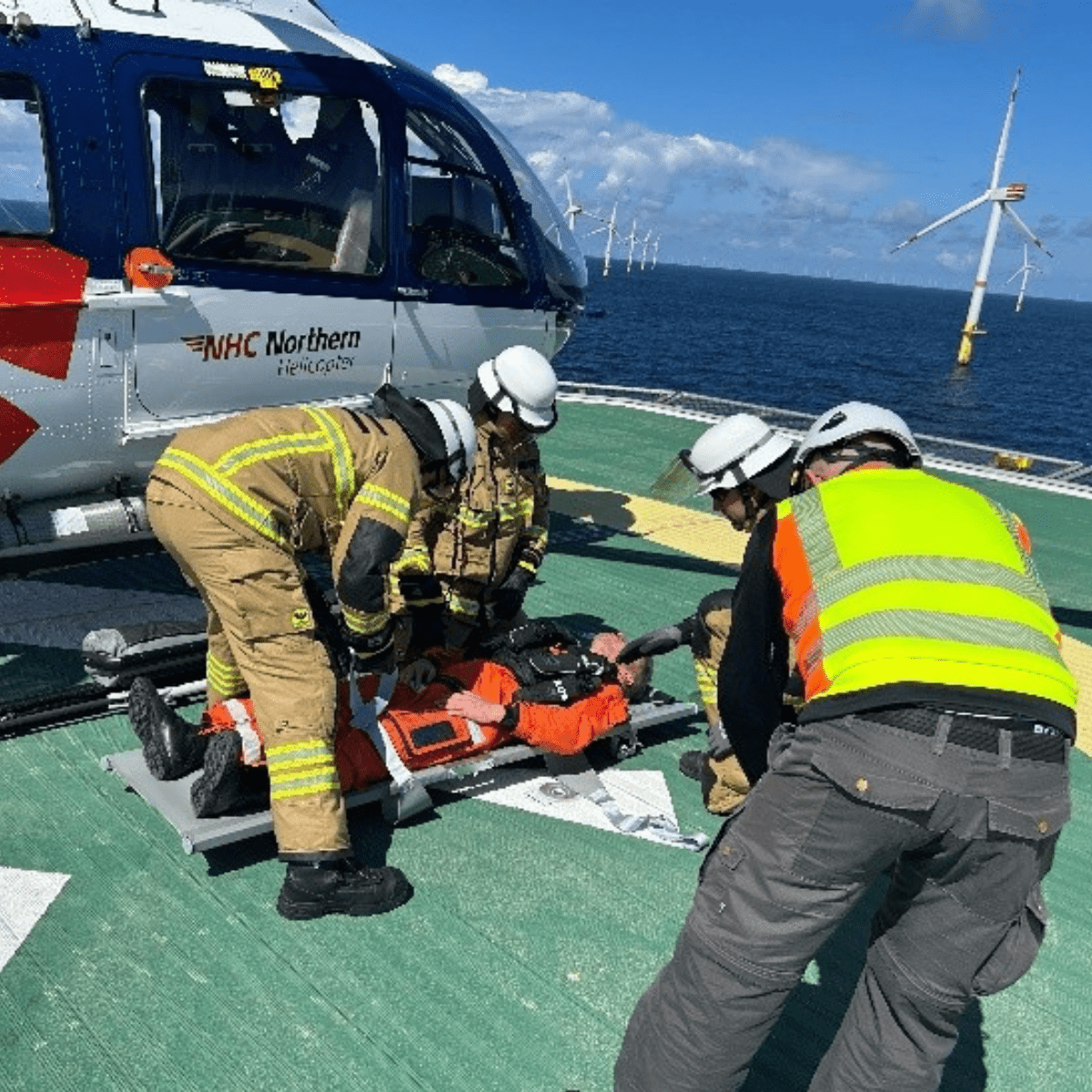
At our Nordsee One offshore wind farm, our annual safety drill tests the full offshore emergency response in a realistic, high-risk environment. The exercise simulates scenarios such as helicopter incidents and medical emergencies, requiring on-site teams to provide first aid, coordinate with a central maritime emergency control centre, and support helicopter evacuation. Crews practice navigating confined spaces, stabilizing injured personnel, and executing safe transfers, while external responders – including specialized offshore paramedics and rescue helicopters – are mobilized to complete the rescue chain. These drills reflect the increasing distance of offshore operations and the need for strong coordination across teams, helping ensure readiness, reinforce clear roles and communication, and continuously strengthen our emergency response capability.
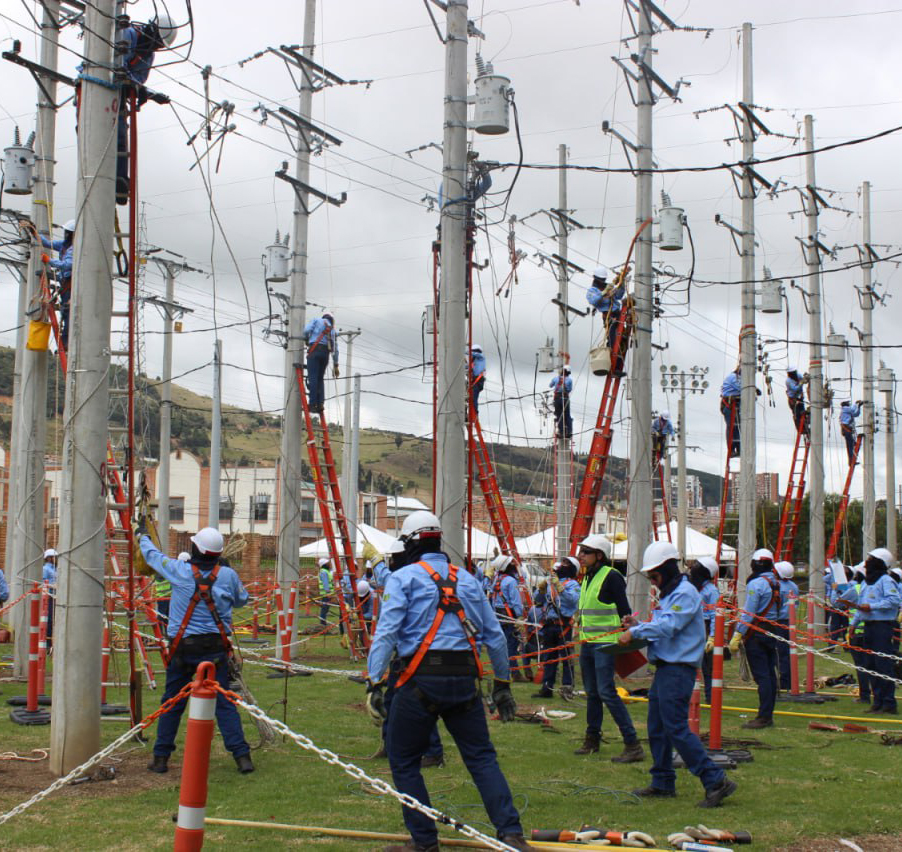
The EBSA Electrical Rodeo (Rodeo Eléctrico) began in 2004 to enhance the safety and technical skills of workers at Empresa de Energía de Boyacá. Over the years, it has grown into a national competition, drawing participation from across Colombia and other Latin American countries. Featuring skill-based challenges such as transformer changes and high-altitude rescues, the event reinforces safety, teamwork, and operational excellence.
In 2025, the Rodeo celebrated its 16th edition alongside EBSA’s 70th anniversary. Competing against 19 national delegations, EBSA secured first place overall.
